Wooden Nesting Chicken Rainbow CNC Review for Embroidery Designers
First Impressions: A Playful, Versatile Design with Strong Craft Appeal
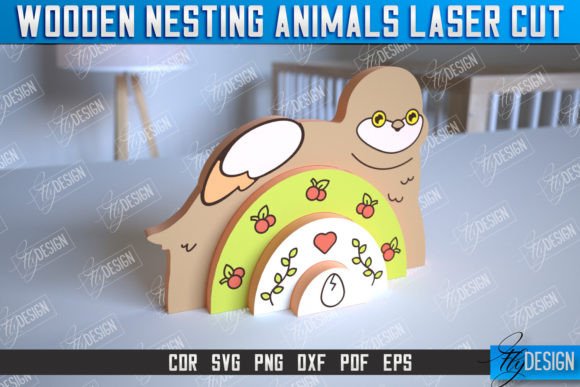
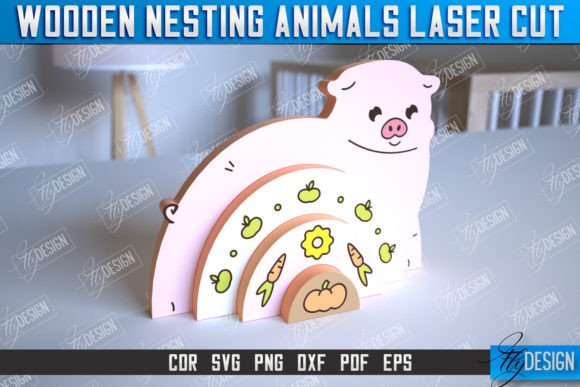
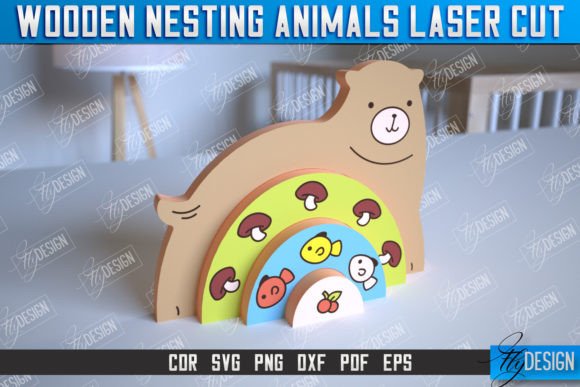
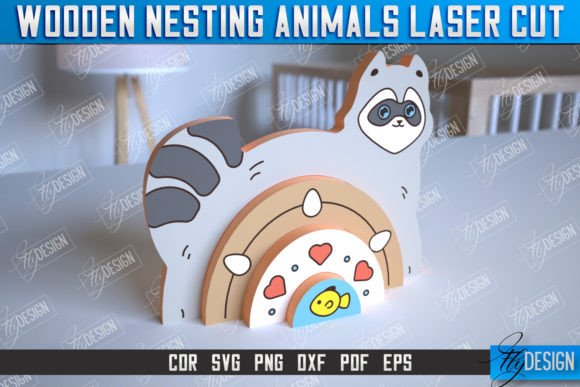
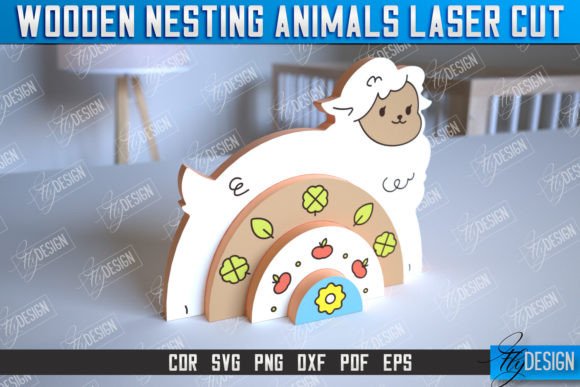
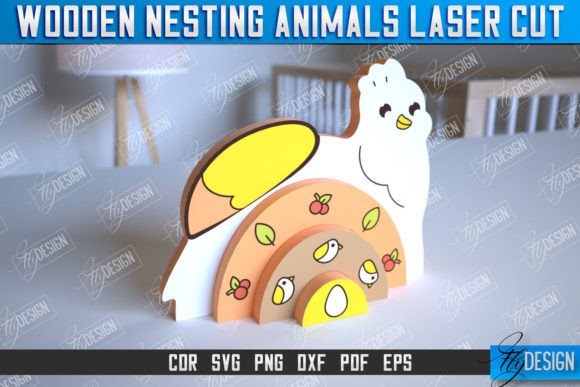
Opening the Wooden Nesting Chicken Rainbow CNC file, I immediately noticed the whimsical charm and clean layout. It’s a design that feels both nostalgic and modern — the kind of visual that works well across baby items, boutique apparel, and personalized gifts. The nesting theme is cleverly executed, and the rainbow color palette offers a natural flow for thread blending. It reads as a laser-cut wooden toy design, but its structure and detail make it adaptable for embroidery use with a bit of creative interpretation.
From a designer’s perspective, this isn’t just a novelty graphic. It has enough shape variation and soft detail to work as a central embroidery motif or a supporting accent in layered designs. The lines are crisp, and the spacing between elements feels intentional — a good sign for stitch clarity and fabric compatibility.
Real-Life Use: Where This Design Shines
I recently worked on a custom embroidered tote bag line for a small shop client. The Wooden Nesting Chicken Rainbow CNC would have been a perfect fit here. Its moderate size and organic layout make it ideal for tote bags, tea towels, and nursery wall hangings. The rounded shapes and flowing lines stitch out cleanly, even on mid-weight cottons and linen blends — fabrics commonly used in handmade shop items.
When testing the design on a sample sweatshirt, it held up well. The open spaces between the nesting layers allowed the fabric to breathe, avoiding the stiffness that often comes with dense embroidery. On a baby onesie, the softness of the design translated beautifully — parents responded positively to the gentle, colorful aesthetic.
Commercial and Retail Possibilities
This design has solid potential for Etsy sellers and boutique brands focusing on gender-neutral nursery decor or eco-friendly toys. It’s the kind of embroidery that feels handmade without being overly intricate, making it accessible for both new and experienced crafters. As a digital embroidery file, it could be bundled with color charts and mockup templates to enhance its value for creative entrepreneurs.
For holiday collections, the rainbow palette can be adjusted to seasonal tones — think pastels for Easter, warm reds and greens for Christmas, or even monochrome for minimalist baby showers. The flexibility in thread color and fabric choice makes it a strong asset for small shop product lines.
Where to Be Careful: Fabric and Fit Considerations
While the Wooden Nesting Chicken Rainbow CNC performs well on stable, smooth fabrics, it needs careful handling on stretchy or textured materials. I tested it on a ribbed knit cap and found that the open areas between nesting pieces distorted slightly. On curved surfaces like baseball caps, the design would benefit from light underlay stitches and a soft cutaway stabilizer to maintain shape integrity.
Dark fabrics require extra attention to thread contrast. The lightest elements in the design — like the innermost chicken — can get lost on black or navy backgrounds. I recommend testing the design in black and white mockups first to see how the details hold up before committing to a final stitch-out.
Design Details That Matter
- Stitch density is moderate — not too tight, which is good for breathable fabrics.
- Small details like the eyes and beak are sharp but may require a slightly smaller needle for clarity.
- Thread color contrast plays a big role in readability, especially for tiny nested sections.
- Hoop size should be checked early — the full design may not fit in smaller embroidery fields without scaling.
For embroidered patches or applique designs, the nesting layout allows for creative layering — especially when using felt or flannel backing. It also works well as a standalone motif on aprons, baby bibs, and personalized pillow covers.
Professional Embroidery Notes: What to Test Before Production
Before using Wooden Nesting Chicken Rainbow CNC in a client project or digital product listing, here’s what I recommend testing:
- Stabilizer type – Use a lightweight tear-away for smooth cottons, and a soft cutaway for stretchy or thick fabrics.
- Thread color variations – Try both vibrant and muted palettes to see which fits your product best.
- Mockups – Use printable mockups to preview placement and scale before stitching.
- Scaling limits – Test how the design holds up when resized, especially for smaller hoop embroidery.
- Licensing – Confirm that the design is cleared for commercial use, especially if you're selling finished products or digital embroidery files.
It’s also a good idea to run a test stitch-out on scrap fabric before final production. This helps catch any hidden density issues or alignment quirks that might not be obvious in the design preview.
Final Thoughts: A Thoughtful Addition to Your Design Kit
The Wooden Nesting Chicken Rainbow CNC isn’t just another laser-cut file repurposed for embroidery — it’s a design that invites creativity and thoughtful use. Whether you’re building a boutique product line, crafting personalized baby gifts, or designing for digital resale, this design offers both visual appeal and practical flexibility.
Its clean layout, balanced detail, and adaptable color scheme make it a standout in a sea of generic embroidery graphics. With a bit of testing and thoughtful thread selection, it becomes a polished, professional asset that adds value to both your handmade work and your digital offerings.
As a designer who evaluates embroidery files daily, I’d say the Wooden Nesting Chicken Rainbow CNC earns a spot in your working library — especially if you serve clients or customers who appreciate handmade charm with a modern twist.