Custom Puzzle for Kids, Wooden Template for Laser Cutting Puzzles
First Impressions: A Playful, Tactile Design Asset for Kid-Friendly Projects
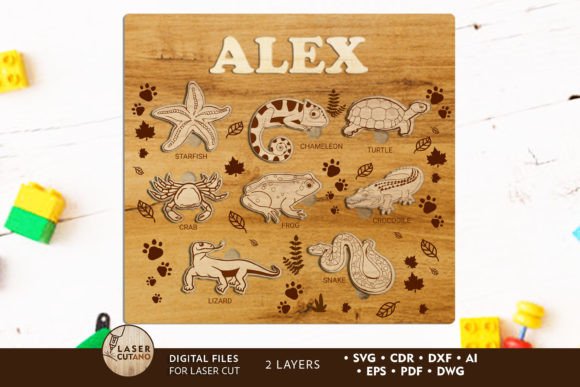
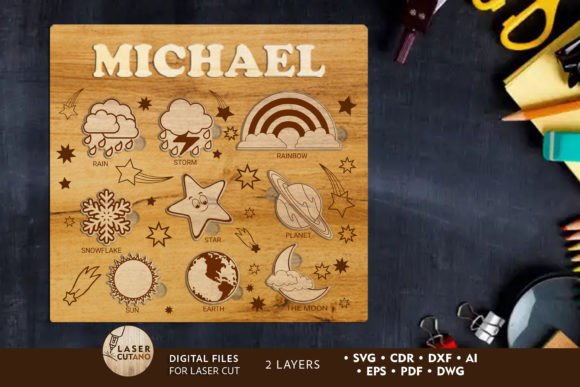
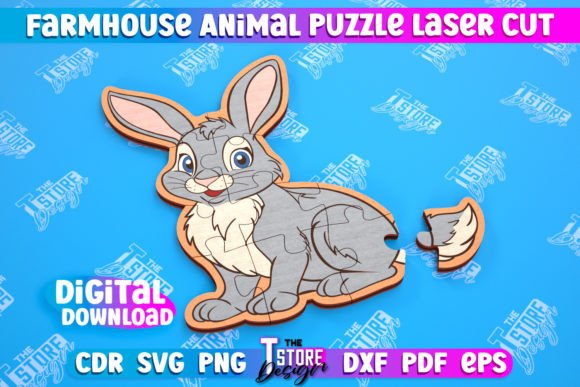
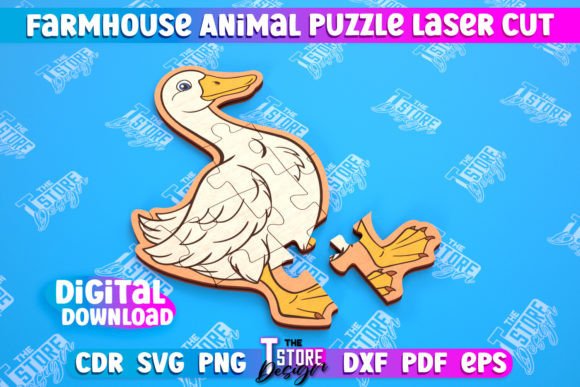
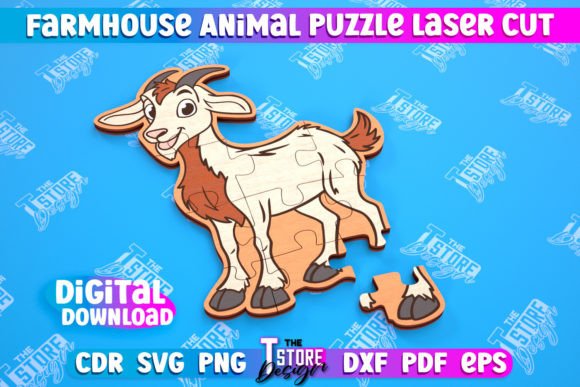
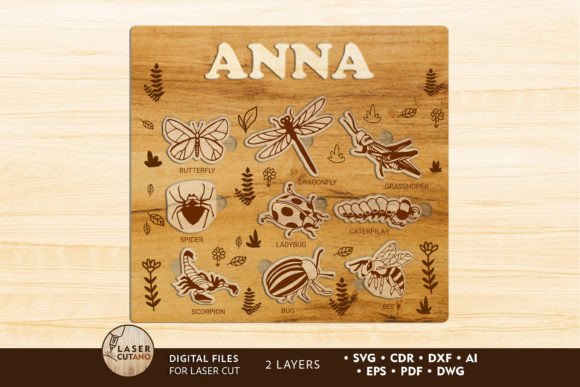
Opening up the Custom Puzzle for Kids, Wooden Template, the first thing that stands out is its whimsical charm and clean vector structure. This design asset feels like a perfect fit for children’s brands, educational products, or playful gifting campaigns. The layered layout suggests thoughtful preparation for laser cutting and CNC machines, making it a strong contender for designers working on physical product creation or print-on-demand services.
Visual Mood and Style: Bright, Engaging, and Developmentally Inspired
The overall aesthetic is vibrant yet structured, with soft edges and rounded corners that evoke a sense of safety and approachability. It leans into a modern handmade style that appeals to both parents and kids. The modular nature of the puzzle layout makes it ideal for creative packaging design or themed product mockups. It’s particularly well-suited for small business branding that wants to emphasize creativity, learning, or interactive play.
Real-World Use: How It Performs Across Design Deliverables
In a recent project for a local toy boutique, I explored using this template across several touchpoints. Here’s how it held up:
- Logo design: Served as a supporting graphic element in a playful logotype for a new children’s product line.
- Packaging design: Worked beautifully as a die-cut pattern on a custom box insert for a seasonal gift set.
- Social media graphics: Adapted well into Instagram carousel templates and Pinterest pins for a back-to-school campaign.
- Printable wall art: Transformed into a downloadable activity sheet with layered SVG files that parents could customize at home.
- Cricut projects: The vector structure allowed for easy editing and resizing, making it a breeze to integrate into a branded DIY kit.
Where It Shines: Ideal Applications for Maximum Visual Impact
Custom Puzzle for Kids, Wooden Template excels in design contexts that benefit from a tactile or interactive feel. It’s particularly effective in:
- Themed collections: Especially for seasonal campaigns or educational content.
- Packaging details: Adds a fun, branded layer to gift boxes, toy packaging, or educational kits.
- Commercial design assets: Can be repurposed into Canva templates or SVG bundles for digital sellers.
- Printable designs: Works well as part of a downloadable design kit or activity page bundle.
- Product mockups: Looks great layered into 3D renderings of wooden toys or educational games.
Where to Use It Carefully: Limitations and Design Considerations
While the template has a strong visual personality, it’s not a one-size-fits-all solution. I found it less effective in:
- Minimalist branding: Its playful nature can clash with clean, modern brand identities.
- Small-scale applications: The intricate cut lines can get lost in tiny stickers or tiny t-shirt prints.
- High-contrast marketing visuals: May compete with strong typography or complex background patterns.
- Corporate or formal materials: Doesn’t align with professional visual systems like annual reports or B2B landing pages.
- Low-contrast color schemes: Needs careful testing on pastel or monochrome layouts to maintain legibility.
Impact on Branding and Audience Engagement
When used strategically, this graphic design asset enhances emotional appeal and audience engagement. For kid-focused brands, it adds a sense of interactivity and playfulness that aligns with developmental values. It also supports brand consistency when integrated into a broader visual system—especially when paired with coordinating elements like icons, illustrations, or typography.
From a design psychology perspective, puzzles evoke curiosity and problem-solving, which can subconsciously influence how an audience perceives a brand. It’s a subtle but effective way to position a product or service as thoughtful, creative, and hands-on.
Practical Designer Notes Before Deployment
Before finalizing its use in a client project, I recommend the following checks:
- Test in black and white: Ensure the design still reads clearly without color cues.
- Check contrast on light and dark backgrounds: Especially important for sticker and t-shirt design adaptations.
- Preview at multiple sizes: Confirm legibility and structural integrity from large posters to small labels.
- Place it on real mockups: See how it integrates with other design elements in a realistic context.
- Test print quality: If laser cutting or CNC routing, verify file compatibility with the machine software.
- Review file formats: Confirm SVG, PNG, and DXF versions are included and editable.
- Inspect PNG transparency: Ensure clean edges and no unintended background artifacts.
- Compare with different fonts: Try pairing with a sans-serif for modern balance or a script font for whimsical contrast.
- Confirm commercial licensing: Always verify usage rights, especially for print-on-demand or resale applications.
Final Thoughts: A Versatile Creative Design Tool for Child-Centric Brands
Overall, the Custom Puzzle for Kids, Wooden Template is a solid choice for designers working on kid-friendly or educational projects. Its laser-ready structure, layered format, and flexible application make it a valuable addition to a creative marketplace toolkit. Whether you’re designing for an Etsy product launch, a boutique toy brand, or a seasonal campaign, this digital product offers a professional yet playful edge that elevates the final output.
As with any design asset, success comes from understanding the context and audience. When used thoughtfully, this template can transform a standard project into a tactile, memorable experience that resonates with both children and caregivers.